
Customs
Car Shipping & Customs Clearance via Jebel Ali and Dubai to the UAE & GCC
Car shipping and customs clearance through Jebel Ali and Dubai, including UAE import, transit, re-export and road transport to Saudi Arabia, Oman and GCC destinations.
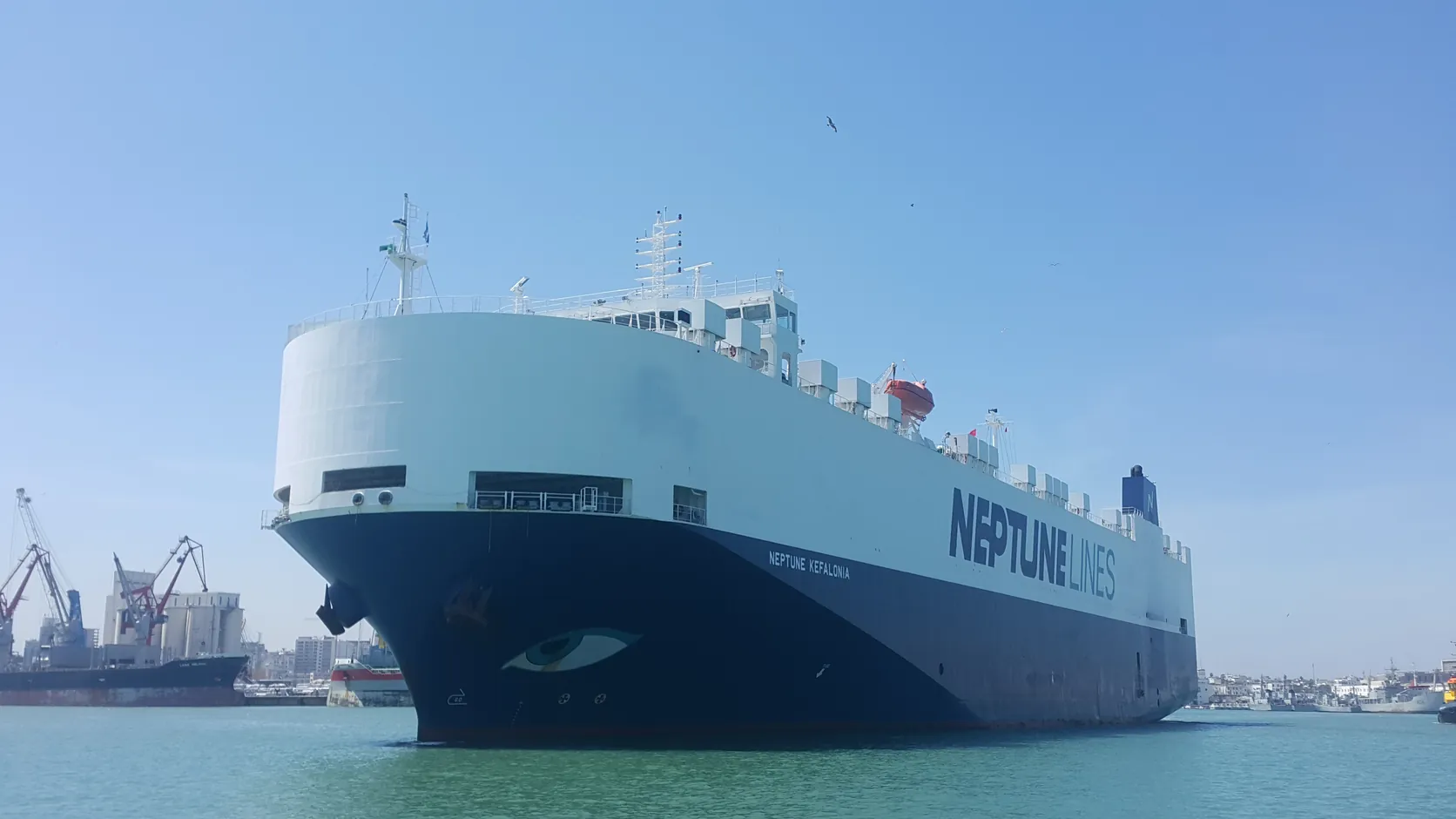
For international vehicle trade, Dubai is not always the car's final destination.
A vehicle may arrive through Dubai or Jebel Ali for permanent import into the UAE, onward road movement to Saudi Arabia or Oman, or re-export to another market.
That makes the vehicle's customs status one of the first questions that should be answered.
- Will the car be permanently imported into the UAE?
- Will it move under transit?
- Will it be cleared in Dubai and then re-exported?
- Or is it part of a larger vehicle shipment serving several markets?
Defining the correct route before arrival allows shipping, customs clearance, documentation and onward road transport to be coordinated as one operation.
Miramar Groups provides freight, customs clearance and transport services that can be coordinated according to the vehicle's point of arrival and final destination.
Why Is Jebel Ali Important for Vehicle Shipping?
Jebel Ali is one of Dubai's primary logistics and customs locations.
Dubai Customs lists Jebel Ali & TECOM Customs Center among its main customs centres, alongside other maritime, land and air customs facilities across the emirate.
This makes Jebel Ali an important gateway for companies importing vehicles into the UAE or using Dubai as part of a wider regional supply chain.
However, simply arriving at Jebel Ali does not determine the customs procedure. The next destination of the vehicle must be established.
Three Common Vehicle Shipping Scenarios
1. Permanent import into the UAE. In this scenario, the car enters the UAE market and the applicable import clearance and customs payments are completed.
Dubai Customs states that new and used vehicles may be imported subject to the applicable requirements. For vehicles arriving through a shipping company, published documentation includes the invoice, packing list, bill of lading and passport or identification copy depending on the case.
If the car will be registered within the UAE, vehicle-clearance and licensing requirements follow customs release.
2. Onward movement to another GCC country. A vehicle can arrive in Dubai while its final destination is Saudi Arabia, Oman or another GCC market. The shipment may need to move under an appropriate transit procedure or through another customs arrangement depending on its status.
Dubai Customs provides customs declaration services covering import, export, transit, transfer and temporary admission.
3. Re-export. A vehicle may arrive in Dubai or a free-zone environment and later be sold or shipped onward to another country. That operation is different from clearing a car for road registration in the UAE.
The intended destination should therefore be determined before the original customs declaration is prepared.
What Documents Are Needed?
For vehicles imported through a shipping company, Dubai Customs lists:
- Original invoice.
- Packing list.
- Bill of lading.
- Passport or identification copy depending on the case.
The full vehicle file may also include, depending on the transaction:
- Proof of ownership.
- VIN or chassis details.
- Certificate of origin where applicable.
- Carrier documentation.
- Customs declaration.
- Transit or re-export documents.
- Road-transport documents.
- And destination-country documentation.
Vehicle data should remain consistent across the entire file.
Why Is the VIN So Important?
The VIN is one of the most critical identifiers in international vehicle shipping. It should match across:
- The vehicle.
- Invoice.
- Bill of lading.
- Ownership document.
- Customs declaration.
- And subsequent export or registration records.
This is particularly important when a vehicle moves through more than one country.
Saudi Arabia's published vehicle-import rules, for example, require correct documentation matching the vehicle's chassis number and prohibit vehicles with tampered chassis numbers.
What Customs Duty Applies When Importing a Car into Dubai?
Dubai Customs states that imported new and used cars are assessed by Customs and subject to a 5% customs duty on the customs-assessed value of the vehicle.
However, a permanent UAE import must be distinguished from a vehicle moving under another customs procedure such as transit or re-export. The correct customs status should therefore be established before estimating final duties.
What Is the Vehicle Clearance Certificate?
For cars imported through Dubai entry points and intended for registration inside the UAE, Dubai Customs issues a Vehicle Clearance Certificate after completion of the required clearance procedures.
Dubai Customs states that this certificate is mandatory for vehicles that need to be registered within the UAE.
A vehicle continuing to another country may follow a different documentation route depending on the customs transaction.
Moving Cars from Dubai to Saudi Arabia
There are several possible shipment structures depending on the vehicle's customs status. A car may arrive in Dubai and then move by road toward Saudi Arabia, potentially under an appropriate transit or re-export arrangement.
Saudi vehicle-import requirements must be checked before dispatch. Saudi ZATCA publishes rules covering vehicle age, energy-efficiency requirements, vehicle condition and document accuracy. It also requires documentation to correspond correctly to the vehicle chassis number.
A vehicle being legally releasable from Dubai therefore does not automatically mean it is eligible for import into Saudi Arabia.
What About Transit Through Saudi Arabia?
Saudi Customs has specific procedures for loaded transit trucks.
The published procedure includes submission of the driver's passport, vehicle ownership document and manifest, registration of the transit movement, inspection steps and completion of transit formalities before onward departure.
The documentation for the vehicle being carried, the transport vehicle and the intended route should therefore be coordinated before the truck reaches the border.
Vehicles Moving to Oman or Other GCC Countries
The same principle applies elsewhere in the GCC. The UAE customs status should first be established, followed by a review of destination-country import or transit requirements.
Movement between GCC countries does not eliminate the need for documentation.
Saudi vehicle-import regulations, for example, include a mechanism for recognizing customs duty paid at the vehicle's first GCC point of entry under specified conditions, including evidence of duty payment and the date of original entry. This demonstrates why the customs record from the first point of entry should be preserved.
Why the First GCC Entry Point Matters
When a vehicle enters the GCC from outside the region, its original customs entry can affect subsequent movement.
If duties were paid at the first GCC entry point and the vehicle later moves to another GCC country, documentation proving the first clearance and payment may be required. Keep records such as:
- Customs declaration.
- Duty-payment evidence.
- Vehicle documents.
- Invoice.
- First-entry information.
- And relevant clearance certificates.
These may be needed later when the vehicle moves to another GCC market.
RoRo or Container Shipping to Jebel Ali?
The appropriate shipping method depends on the vehicle, route and required level of protection.
RoRo is commonly used for operational vehicles. Cars are driven or moved on and off a specialized vessel.
Container shipping may be suitable for higher-value vehicles or shipments where an enclosed transport method is preferred.
The ocean-shipping method does not replace the need to plan the customs procedure after arrival.
Shipping Multiple Vehicles
Commercial vehicle shipments require additional coordination. For multiple cars, the shipment file should organize:
- VIN list.
- Invoices.
- Vehicle makes and models.
- Model years.
- Ownership documents.
- Shipping arrangement.
- Customs procedure.
- And final destination for each vehicle.
Accurate VIN management is particularly important when several vehicles are being handled in one operation.
What Happens After Release at Jebel Ali?
The next stage depends on the final destination. The vehicle may move to:
- A Dubai showroom.
- Warehouse.
- Inspection facility.
- Another emirate.
- Free zone.
- Land border toward Saudi Arabia or Oman.
- Or an export facility.
Vehicle carriers or other appropriate transport equipment can be arranged according to shipment volume and vehicle condition.
Road Freight or Another Sea Shipment?
When the final destination is a GCC market accessible by road, road transport may be a practical option after the vehicle reaches the UAE. The decision depends on:
- Destination country and city.
- Number of vehicles.
- Shipment schedule.
- Customs status.
- Operating costs.
- And border requirements.
There is no single transport method suitable for every shipment.
Check Import Eligibility Before Dispatching the Vehicle
A car may be ready to leave Dubai but still fail to meet the destination country's import requirements.
Saudi Arabia, for example, publishes detailed restrictions covering the age and condition of certain vehicles, energy-efficiency requirements, chassis-number integrity and prohibited vehicle categories.
Import eligibility should therefore be confirmed before paying for onward transport.
Common Mistakes to Avoid
Common problems include:
- Shipping to Jebel Ali before establishing the final destination.
- Using permanent import when transit or re-export was intended.
- VIN discrepancies.
- Failing to verify Saudi or other destination-country requirements.
- Losing proof of duty paid at the first GCC entry point.
- Arranging road transport before customs documentation is complete.
- Unclear final-delivery instructions.
- Not confirming whether the vehicle is operational.
These issues can affect both time and cost.
What Information Is Needed for a Quote?
Provide:
- Vehicle make and model.
- Model year.
- VIN.
- New or used status.
- Whether the vehicle is operational.
- Country and port of origin.
- Current shipping method if known.
- Invoice value.
- UAE arrival port.
- Whether the vehicle will be imported into the UAE, transit or re-exported.
- Final country and city.
- Number of vehicles for commercial shipments.
This information allows the shipping, customs and transport route to be assessed more accurately.
How Miramar Groups Can Help
Miramar Groups provides sea freight, customs clearance and road transport services.
For vehicles arriving through Dubai and Jebel Ali, the Miramar team can assist with coordinating arrival, reviewing documentation, handling the UAE customs-clearance stage and arranging onward transport based on the final destination.
For vehicles moving toward Saudi Arabia, Oman or another GCC market, the route should be assessed against the vehicle's customs status and destination-country requirements before road movement begins.
Shipping Cars Through Jebel Ali?
Send Miramar Groups the number of vehicles, makes and models, model years, VINs, country of origin, port of loading, vehicle values and final destination. Our team can review the shipping, customs-clearance and onward transport route before the vehicles arrive or move from Dubai.