
Customs
Heavy Equipment Customs Clearance Through Fujairah Port: Documents & Procedures
A practical guide to heavy equipment customs clearance through Fujairah Port, covering required documents, customs procedures, temporary admission and onward transport.
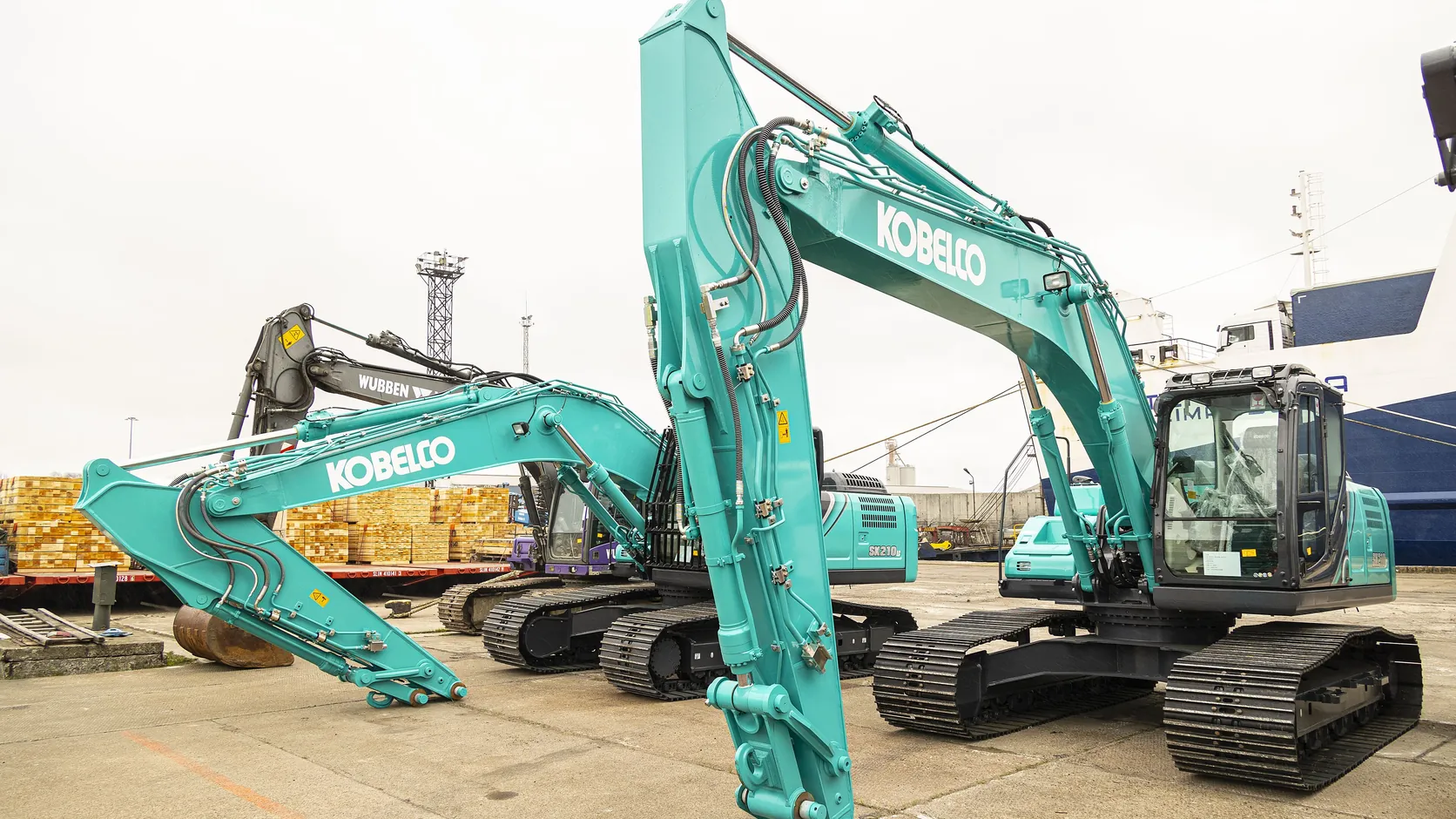
Importing an excavator, crane, bulldozer or industrial machine is different from importing standard commercial cargo.
Heavy equipment requires coordination across several stages: cargo arrival, documentation, customs classification, clearance, inspection where required and the transport arrangement needed once the equipment is released.
Fujairah Port is an important UAE entry point for this type of cargo, with infrastructure supporting general cargo, RoRo, project cargo and heavy-lift operations.
Fujairah Ports Authority lists mobile harbour cranes with capacities of 100 and 150 tonnes to support heavy-lift cargo, along with berth and yard facilities designed to accommodate heavy packages in designated areas.
For importers, the process should begin before the equipment reaches the port.
What Types of Equipment May Be Cleared Through Fujairah?
Heavy cargo can include equipment such as excavators, bulldozers, loaders, cranes, commercial trucks, forklifts, generators, industrial machinery, factory equipment and machinery used in construction, energy and infrastructure projects.
The equipment type alone does not determine the customs process.
Other factors can include country of origin, declared value, customs classification, intended use in the UAE and whether the equipment is being permanently imported, temporarily admitted or moved onward to another destination.
Documents Required for Heavy Equipment Customs Clearance
Fujairah Customs lists documentation for commercial customs declarations including the invoice, packing list, certificate of origin and permits from relevant authorities where required. For sea imports, delivery orders and bills of lading also form part of the import requirements.
Before the equipment arrives, importers should generally prepare and review:
- Commercial invoice.
- Certificate of origin.
- Bill of lading.
- Packing list.
- Delivery order when available.
- Clear equipment details, including model, serial number where applicable, weight and dimensions.
- Any additional approvals or permits required for the particular equipment.
The information should remain consistent across all shipment documents. A major discrepancy between the invoice, bill of lading and packing list may result in additional clarification being required before clearance can be completed.
Why Customs Classification Matters
Customs classification is more than simply describing a shipment as "heavy equipment."
The HS Code defines how the goods are identified for customs purposes and can affect applicable duties, requirements and restrictions. An excavator is not classified in the same way as an industrial generator, forklift or manufacturing machine.
Providing accurate technical information before filing the customs declaration can make the clearance process more straightforward.
How Does the Clearance Process Work?
Fujairah Customs states that a customs declaration can be prepared electronically by the importer, an authorized representative or an authorized customs broker.
The required documentation is then submitted, customs duties are applied where applicable, cargo may undergo inspection based on risk criteria and, once requirements are completed, the cargo is released and an exit permit is issued.
In practical terms, the process may involve:
- Document review.
- Verification of equipment details and classification.
- Preparation of the customs declaration.
- Submission of required documents and permits.
- Completion of applicable customs procedures and charges.
- Inspection where required.
- Customs release and exit permission.
- Coordination of onward equipment transport.
The actual time required varies from shipment to shipment, so clearance times should not be treated as fixed before the cargo and documentation have been reviewed.
What Happens After Customs Release?
For heavy equipment, customs release is not the final stage. The equipment still needs to leave the port safely.
Transport planning may depend on:
- Equipment weight.
- Length, width and height.
- Loading and unloading method.
- Required trailer type.
- Final delivery location.
- Any transport-route requirements.
Some equipment may require low-bed trailers or other specialized transport equipment rather than standard road freight vehicles. This is why customs clearance and onward transport should ideally be coordinated together.
RoRo and Heavy Cargo at Fujairah Port
Fujairah Port supports container, general cargo, RoRo and project cargo services.
Fujairah Ports Authority states that Fujairah Terminals manages general cargo, RoRo and project cargo operations, all of which can be relevant to trucks, vehicles and machinery that do not move in standard containers.
For certain wheeled trucks or machines, RoRo shipping may be an appropriate option when the cargo and shipping plan allow it. Oversized or particularly heavy machinery may require different loading and handling arrangements based on the shipment specifications.
What If the Equipment Is Entering for a Temporary Project?
Not every machine entering the UAE is being imported permanently.
Fujairah Customs allows customs declarations for different transaction types, including import, export, re-export, transit and temporary admission.
The GCC customs framework also contains specific provisions for temporary admission of certain heavy machinery and equipment required for qualifying projects, subject to defined conditions and usage restrictions. This can be relevant when machinery enters the UAE to perform work on a specific project and is later re-exported.
Temporary admission is not automatic for every shipment, so eligibility should be confirmed before selecting this customs procedure.
Can the Equipment Be Re-exported Later?
Yes. Re-export is one of the customs transaction types available through Fujairah Customs.
This can be important for companies using equipment in the UAE for a defined period or moving machinery through the UAE as part of a broader logistics route. The intended use of the equipment should be established from the start so that the correct customs procedure can be selected.
Common Issues That Can Delay Heavy Equipment Clearance
Avoidable problems can include:
- Inaccurate equipment descriptions.
- Serial number or model discrepancies.
- Missing weight or dimension data.
- Incorrect customs classification.
- Failure to check for additional approvals.
- Delayed shipping documentation.
- Arranging transport only after customs release.
For heavy machinery, a small documentation issue can affect several stages because customs clearance, handling, transport and final delivery are closely connected.
What Information Should You Send to Your Customs Clearance Agent?
The more information available before arrival, the better the shipment can be assessed. Provide:
- Equipment type.
- Manufacturer and model.
- Serial number where applicable.
- Clear photographs.
- Weight.
- Length, width and height.
- Country of origin.
- Commercial invoice.
- Bill of lading.
- Port of arrival.
- Final destination.
- Whether the equipment is being permanently imported or entering for a temporary project.
These details help assess both customs requirements and the appropriate transport arrangement after release.
How Miramar Groups Can Help
Miramar Groups provides customs clearance, road transport and logistics services for commercial cargo.
For heavy equipment arriving through Fujairah, our team can coordinate document review, customs clearance requirements, release procedures and onward road transport based on the shipment type and final destination.
If you have an excavator, crane, truck or industrial machine arriving through Fujairah Port, reviewing the shipment before arrival can help avoid unnecessary complications after it reaches the port.
Have Heavy Equipment Arriving at Fujairah Port?
Send Miramar Groups the equipment type, photographs, weight, dimensions, country of origin, bill of lading and final destination. Our team can review the customs and transport requirements and help determine the appropriate next steps for your shipment.