
Customs
From Fujairah to the GCC: Customs Clearance & Heavy Equipment Transport
Customs and road transport coordination for trucks and heavy equipment from Fujairah to Saudi Arabia, Oman and GCC destinations, including transit and border documentation.
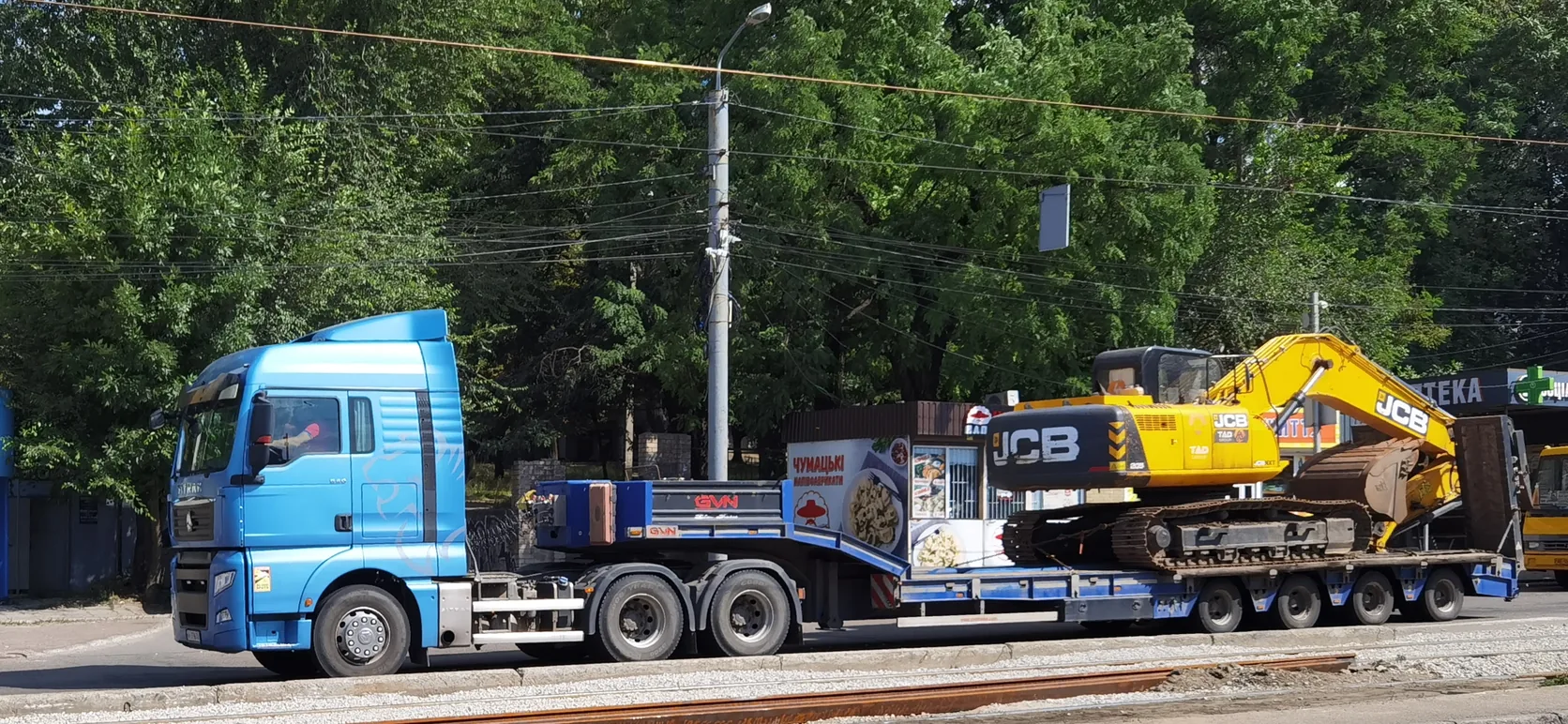
A truck or piece of heavy machinery arriving in Fujairah is not necessarily destined to remain in the UAE.
For contractors, traders and project operators, Fujairah can serve as an arrival point before the shipment continues by road to another emirate, Saudi Arabia, Oman or another GCC market.
At that point, the operation becomes more than a customs clearance job.
The shipment requires coordination between UAE clearance procedures, the appropriate transport equipment, route planning, border documentation and the import or transit requirements of the destination country.
For heavy equipment, this coordination becomes particularly important because cargo weight, dimensions and customs status can affect the entire movement.
Why Do GCC Shipments Start in Fujairah?
Fujairah is located on the UAE's eastern coast and connects its maritime infrastructure with the country's road network.
Cargo arriving through Fujairah can include commercial trucks, construction machinery, industrial equipment and project cargo. Once the appropriate customs procedures have been completed, the shipment may continue by road according to its final destination.
Fujairah should therefore be viewed not only as a point of arrival, but as one stage in a multimodal logistics chain that may begin by sea and continue overland across the UAE and into GCC markets.
What Types of Equipment Can Move by Road from Fujairah?
Shipments can include:
- Commercial trucks.
- Excavators.
- Bulldozers.
- Loaders.
- Cranes.
- Forklifts.
- Generators.
- Industrial machinery.
- Factory equipment.
- Construction and infrastructure machinery.
- Equipment used in energy and project operations.
Transport requirements are determined by the specifications of the individual machine rather than its category alone. A compact excavator does not require the same transport arrangement as a large crane, and equipment that can move on a conventional trailer differs from cargo requiring a low-bed or specialized heavy-haul solution.
From Fujairah to Saudi Arabia
Saudi Arabia is a major regional market for construction, industrial and project equipment. Companies operating in the UAE may therefore need to move trucks or machinery from Fujairah toward the Kingdom.
Before the truck departs, the customs status of the equipment should be established:
- Is it already imported and cleared into the UAE?
- Is it moving under transit?
- Is it being permanently imported into Saudi Arabia?
- Or is it equipment entering for a temporary project?
These scenarios can lead to different documentary and customs requirements.
Saudi Arabia's Zakat, Tax and Customs Authority outlines specific procedures for loaded transit trucks, including verification of driver, vehicle and manifest documents, registration of the transit movement and completion of the applicable transit procedures before the truck continues its journey.
The transport and customs plan should therefore be prepared before the vehicle reaches the border.
From Fujairah to Oman
Oman is another natural road-freight destination from the UAE for commercial shipments and project machinery. Requirements can vary according to the goods, origin, customs procedure and required approvals.
Oman Customs provides an official service for checking import, export and transit requirements, including permits, restrictions and approvals required from other government authorities.
For heavy machinery, this means UAE customs release alone should not be treated as confirmation that the equipment is ready to enter the destination country. Destination requirements must also be checked.
Domestic Transport vs Cross-Border GCC Transport
When machinery moves from Fujairah to Dubai, Abu Dhabi or Sharjah after clearance, the movement remains domestic.
When the cargo is heading to another GCC country, additional elements can apply:
- Export or transit procedures.
- Border requirements.
- Carrier and vehicle documentation.
- Cargo documentation.
- Destination-country requirements.
- Commodity-specific permits.
- And, in some cases, customs guarantees or transit arrangements.
Cross-border heavy transport is therefore both a road-freight and customs-coordination operation.
Does the GCC Customs Union Remove Border Procedures?
The GCC Customs Union was established around common customs principles, including a single point of entry for foreign goods and unified customs rules toward goods entering from outside the GCC.
However, this does not mean trucks and machinery can move across GCC borders without documentation or procedures. The cargo's customs status, origin, original point of entry, final destination and applicable permits can still determine what must be completed during the journey.
The correct customs route should therefore be established before transport begins.
How Does Transit Work?
Transit allows goods to move through a customs territory on the way to another destination while retaining their appropriate customs status. It is particularly important in regional road freight.
The GCC customs framework provides procedures for transit goods alongside import, temporary admission and re-export transactions.
International transit systems such as TIR may also be relevant on eligible routes where the system is implemented and the applicable conditions are met. Oman Customs explains that the TIR system is designed to facilitate international transit through standardized procedures, secure transport units and recognized customs guarantees.
The appropriate system depends on the carrier, cargo, route and countries involved.
What About Equipment Entering for a Temporary Project?
This is especially relevant for contractors and project operators. A company may need to move a crane, excavator or specialized machine into another GCC country for a defined project and then remove it once the work is complete.
The GCC Unified Guide for Customs Procedures includes temporary-admission provisions covering certain heavy machinery and equipment used for qualifying projects, subject to specific conditions.
Temporary admission is not automatic for every piece of equipment. The project, machinery, intended use and destination-country requirements should be assessed before the shipment moves.
Choosing the Right Heavy Transport Equipment
Before selecting a truck or trailer, accurate machine specifications are required. Key information includes:
- Weight.
- Length.
- Width.
- Height.
- Centre of gravity.
- Whether the machinery is operational and mobile.
- Loading and unloading method.
- Final destination.
These details determine whether the equipment can travel on a standard trailer, low-bed trailer or more specialized heavy-haul arrangement.
Selecting transport equipment before confirming actual dimensions can lead to changes, delays and unnecessary costs.
Why Route Planning Matters
Weight and dimensions affect more than trailer selection. They can also affect the route itself. Depending on the shipment, planning may need to consider:
- Bridge clearances.
- Road width.
- Route restrictions.
- Entry and exit points.
- Loading and unloading access.
- Permits for abnormal or oversized loads.
Heavy equipment transport should therefore not be treated as a conventional point-to-point trucking job.
Documents to Prepare Before Departure
Exact requirements vary by shipment and destination, but the documentation file may include:
- Commercial invoice.
- Packing list.
- Certificate of origin.
- Bill of lading or arrival documentation.
- Customs declaration.
- Export or transit documents.
- Transport-vehicle documents.
- Driver documentation.
- Equipment specifications and serial numbers.
- Destination-country permits and approvals.
- Any guarantee or documentation associated with the selected customs procedure.
Preparing the file before the truck departs is considerably better than discovering missing documentation at the border.
Common Problems to Avoid
Preventable issues include:
- Confusing export with transit.
- Failing to check destination-country requirements.
- Using the wrong trailer type.
- Missing accurate weight or dimension information.
- Equipment descriptions that do not match the documentation.
- Unclear final delivery information.
- Dispatching the truck before customs documentation is ready.
- Assuming the GCC Customs Union eliminates all border formalities.
Each of these can create avoidable delays.
From Port to Project Site
An efficient operation treats clearance and transport as connected stages. Ideally, the final destination and transport plan are already known while the equipment is still being cleared.
This allows the logistics team to coordinate:
- Customs clearance in Fujairah.
- Equipment collection.
- Trailer selection.
- Loading.
- Movement through the UAE.
- Border documentation.
- Entry or transit procedures.
- Final delivery to the warehouse or project site.
The earlier these stages are coordinated, the lower the risk of the shipment stopping between one part of the journey and the next.
How Miramar Groups Can Help
Miramar Groups provides customs clearance, road freight and logistics coordination for commercial cargo and equipment.
For trucks and heavy machinery arriving through Fujairah and moving onward within the UAE or toward GCC destinations, the Miramar team can assist with UAE customs-clearance coordination, road-transport planning and reviewing the shipment requirements before movement begins.
For Saudi Arabia, Oman or other GCC destinations, the exact service scope and procedures are determined according to the cargo, route and destination-country requirements.
Moving Heavy Equipment from Fujairah to the GCC?
Send Miramar Groups:
- Equipment type.
- Weight.
- Dimensions.
- Equipment photographs.
- Country of origin.
- Port of arrival.
- Current customs status.
- Destination country and city.
Our team can review the clearance, road-transport and route requirements before the shipment moves.